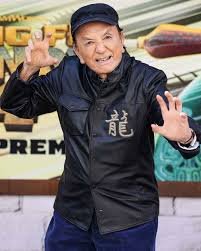
James Hong is an American actor, voice artist, producer, and director whose career in film and television has spanned over seven decades, making him one of the most prolific and recognizable character actors in Hollywood history. Born on February 22, 1929, in Minneapolis, Minnesota, to parents originally from Hong Kong, Hong has appeared in more than 600 roles across film, television, and voice acting — a rare achievement for any actor in any era of entertainment. Known for his versatility, dedication, and tireless work ethic, he helped break ground for Asian American performers in an industry that historically offered them limited opportunities. Over time, his performances have ranged from memorable live‑action roles in classics like Blade Runner and Big Trouble in Little China to beloved voice work in animated franchises like Kung Fu Panda and Mulan, and more recently a touching starring role in the Oscar‑winning hit Everything Everywhere All at Once. Hong’s longevity, impact on representation, and sheer body of work have made him a beloved and respected figure across multiple generations of audiences and creators.
Early Life and Beginnings in Acting
James Hong was born into a large family in Minneapolis, Minnesota, where his father managed an herb shop in the city’s Chinatown, and he grew up surrounded by Chinese opera performers who sometimes rehearsed near his home — an early inspiration that sparked his interest in performance. His family moved to Hong Kong when he was about five years old and returned to the United States when he was ten, giving him a multicultural upbringing that influenced his outlook and later career. Despite facing discrimination in school — often being passed over for leading roles in favor of white students — Hong continued pursuing his passion for the arts. After graduating from Minneapolis Central High School in 1947, he studied civil engineering at the University of Minnesota and then served in the Minnesota Army National Guard during the Korean War, where he organized performances for military audiences. After the war, he moved to Los Angeles, resumed his studies in engineering at the University of Southern California, and began pursuing acting more seriously in the early 1950s.
Breakthrough in Hollywood and Early Career Challenges
Hong’s big break into entertainment came in 1954 when he appeared on You Bet Your Life, a television and radio game show hosted by Groucho Marx, performing impressions that delighted audiences and earned him an agent. That same year he landed an uncredited film role in Dragonfly Squadron, and by the late 1950s he was appearing regularly on television and in films. However, his early career was shaped by the limited and often stereotypical opportunities available to Asian American actors at the time, including roles in Asian‑enclave dramas and minor parts that required actors to conform to offensive racial tropes. In 1957 he played Barry Chan on The New Adventures of Charlie Chan, a show in which the lead was portrayed by a white actor in “yellowface,” an experience Hong later described as overtly discriminatory. Responding to such challenges, Hong co‑founded the East West Players in 1965, one of the earliest and most influential Asian American theatre organizations in Los Angeles, dedicated to creating substantive roles and opportunities for Asian and Asian American performers.
Prolific Career Across Film and Television
As Hollywood slowly expanded opportunities for performers of diverse backgrounds, Hong’s career flourished. He became known as a reliable and versatile character actor, appearing in classics such as Flower Drum Song (1961) and The Sand Pebbles (1966), and later collaborating with directors like Roman Polanski in Chinatown (1974) and Ridley Scott in Blade Runner (1982), where he played the eye designer Hannibal Chew, creating indelible moments even in smaller roles. One of his most iconic performances was as the sorcerer David Lo Pan in John Carpenter’s cult classic Big Trouble in Little China (1986), a role Hong injected with depth, pathos, and humanity that elevated the film’s blend of action and comedy. On television, he guest‑starred in countless series over the decades, including Hawaii Five‑O, Seinfeld — particularly remembered as the beleaguered restaurant host in “The Chinese Restaurant” episode — and many others that showcased his comedic and dramatic timing. Hong also embraced voice acting, lending his voice to characters such as Chi‑Fu in Mulan (1998), Daolon Wong in Jackie Chan Adventures, and Mr. Ping, Po’s adoptive father, in the Kung Fu Panda film series and related television projects. Most recently, he appeared as Gong Gong in the critically acclaimed Everything Everywhere All at Once (2022), a role that drew widespread praise and introduced him to new generations of viewers.
Legacy and Cultural Impact
James Hong’s career stands as a testament not only to his personal resilience and talent but also to the gradual evolution of representation in Hollywood. Beginning his work in an era when Asian characters were often caricatured or played by non‑Asian actors, Hong later became a vocal advocate for change, using his visibility and influence to promote more authentic and complex portrayals of Asian characters. His early co‑founding of the East West Players helped launch the careers of many Asian American actors and opened doors for storytelling that reflected the diversity of the American experience. In recognition of his enduring contributions, Hong received a star on the Hollywood Walk of Fame in 2022, becoming the oldest performer to be honored in that way and cementing his place in the pantheon of American screen legends. Even into his mid‑90s, Hong has continued to act, expressing his belief that he has “waited all these years to do projects and now people are going to back me,” and showing no indication of slowing down.
Awards and Recognition
Over his extraordinary career, Hong has accrued both formal accolades and the deep respect of peers and audiences worldwide. While character actors often go underrecognized by major awards bodies, Hong’s work contributed to ensemble honors such as the Screen Actors Guild Award for Outstanding Performance by a Cast in a Motion Picture for Everything Everywhere All at Once. His acceptance speech at the SAG Awards garnered attention for its heartfelt reflection on the lack of positive Asian representation early in his career and the progress since then. Beyond awards for specific roles, his Hollywood Walk of Fame star and frequent retrospectives on his career serve as enduring recognition of his impact and the barriers he helped break down in the industry.
Personal Life and Ongoing Work
James Hong has lived most of his life in Hollywood, where he has remained actively involved in film, television, and voice acting projects well into his ninth decade of life. His dedication to his craft continues to inspire both audiences and fellow performers, and he has spoken publicly about his enduring love of acting and his intention “not to stop working,” even as he approaches centenarian years. His continued presence in film and television serves as both a bridge to Hollywood’s past and a living testament to the possibilities of longevity, passion, and reinvention in a profession that often seems to value youth above all else.
FAQs
Who is James Hong?
James Hong is an American actor, producer, and director whose career has spanned more than seven decades and includes over 600 roles across film, television, and voice acting.
When and where was James Hong born?
He was born on February 22, 1929, in Minneapolis, Minnesota, to parents originally from Hong Kong.
What are some of his most famous on‑screen roles?
Some of his most recognized roles include Hannibal Chew in Blade Runner, David Lo Pan in Big Trouble in Little China, and Gong Gong in Everything Everywhere All at Once.
Has James Hong done voice acting?
Yes. He is known for voicing Chi‑Fu in Mulan, Mr. Ping in the Kung Fu Panda films, and Daolon Wong in Jackie Chan Adventures.
Did he receive a star on the Hollywood Walk of Fame?
Yes. In 2022 he received a star on the Hollywood Walk of Fame, becoming the oldest actor to be honored that way.
Is James Hong still acting?
Yes. Even into his mid‑90s, he continues to act in films, television, and animation projects and has expressed his intent to keep working.
Conclusion
James Hong’s career is one of the most extraordinary in entertainment history — a blend of perseverance, talent, cultural significance, and remarkable breadth. From early struggles with discrimination and limited roles to international acclaim and iconic performances, his journey reflects both personal resilience and the broader evolution of Hollywood’s approach to diversity and representation. With credits numbering in the hundreds, roles spanning every genre imaginable, and a legacy that embraces both classic cinema and contemporary hits, Hong remains an enduring symbol of dedication to craft and a true living legend of screen acting.