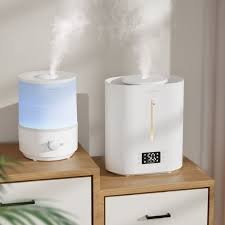
Humidifiers are essential devices for maintaining optimal indoor humidity levels, especially in dry climates or during winter months when heating systems can reduce moisture in the air. Two primary types of humidifiers dominate the market: warm mist and cool mist. Both aim to increase indoor humidity, but they function differently and offer unique benefits depending on the environment, health needs, and personal preferences. Warm mist humidifiers use heat to evaporate water, releasing a warm, soothing vapor, while cool mist humidifiers disperse a fine, room-temperature mist using ultrasonic vibrations or evaporative wicking technology. Understanding the differences between these types, their applications, advantages, maintenance requirements, and health implications helps consumers make informed decisions to enhance comfort, improve respiratory health, and maintain indoor air quality. This comprehensive article explores the features, benefits, drawbacks, and practical considerations for choosing between warm mist and cool mist humidifiers.
How Warm Mist Humidifiers Work
Warm mist humidifiers operate by heating water to a near-boiling point, producing steam that is then released into the room. This process not only increases humidity but also warms the surrounding air slightly, which can be particularly comforting in colder climates. The heating element in the device kills most bacteria and germs, making warm mist humidifiers a hygienic option for homes with sensitive individuals or those prone to respiratory infections. Additionally, warm mist units are often quieter than their cool mist counterparts because they do not rely on fans for dispersing vapor. The combination of heat and moisture can soothe symptoms of colds, congestion, and dry skin, making them a popular choice for bedrooms, nurseries, and living spaces where comfort and hygiene are priorities.
How Cool Mist Humidifiers Work
Cool mist humidifiers release room-temperature moisture into the air using either ultrasonic technology or evaporative wicking systems. Ultrasonic humidifiers create a fine mist using high-frequency vibrations, while evaporative humidifiers pull air through a wet filter to disperse moisture naturally. Cool mist units are highly effective for large spaces because the mist spreads evenly and does not raise the room temperature, making them ideal for warmer climates or households that prefer cooler ambient conditions. These humidifiers are energy-efficient, generally quieter when using ultrasonic technology, and safe to use around children since they do not produce hot steam. They also provide relief from dry air, help prevent static electricity, and improve overall indoor air quality.
Health Benefits of Warm Mist Humidifiers
Warm mist humidifiers offer several health advantages, particularly for respiratory comfort and hygiene. The heated vapor can help loosen mucus in the sinuses, relieve congestion, and reduce the risk of infections in the upper respiratory tract. Warm mist humidifiers are also beneficial for soothing dry throats, reducing coughing, and alleviating symptoms associated with colds, flu, or seasonal allergies. Because the heating process kills many bacteria and germs in the water, warm mist devices are less likely to disperse harmful microorganisms into the air compared to some poorly maintained cool mist units. Additionally, warm mist can slightly increase room temperature, providing extra comfort during cold winter months while maintaining healthy humidity levels.
Health Benefits of Cool Mist Humidifiers
Cool mist humidifiers are particularly beneficial for households in warm climates or for individuals who prefer cooler air. They provide effective relief from dry skin, chapped lips, nasal irritation, and static electricity without increasing room temperature. The fine mist helps moisturize indoor air, which can be especially useful in homes with air conditioning or during hot, dry seasons. Ultrasonic cool mist units are often used in nurseries because they pose no burn risk, and evaporative models naturally filter the water, reducing impurities in the air. These devices can improve sleep quality, reduce irritation in the eyes and respiratory tract, and support overall indoor comfort. Additionally, cool mist humidifiers are energy-efficient and generally easier to operate continuously without the need for heating elements.
Drawbacks and Limitations
While both types of humidifiers offer benefits, they also have limitations that must be considered. Warm mist humidifiers consume more electricity due to the heating element, may increase the room temperature undesirably in summer, and require careful handling to avoid burns from hot steam. Mineral deposits from tap water can accumulate on the heating element, necessitating regular cleaning. Cool mist humidifiers, while safer for children, may disperse bacteria or mold if not cleaned regularly, and ultrasonic units can leave a fine white dust if using hard water. Evaporative cool mist models require regular replacement of wicking filters to maintain efficiency and hygiene. Evaluating these factors helps users determine the type of humidifier that best aligns with their environment, maintenance capabilities, and safety needs.
Energy Efficiency and Cost Considerations
Warm mist humidifiers generally consume more electricity because of the heating process, which may lead to slightly higher energy bills if used continuously. However, they are effective in small to medium rooms and provide the added benefit of a slight warming effect. Cool mist humidifiers are often more energy-efficient, especially ultrasonic models, because they do not require heating water. Initial purchase costs can vary: warm mist units may be slightly cheaper in smaller models, but long-term costs are influenced by electricity use, water quality maintenance, and replacement filters for evaporative units. Understanding energy efficiency and operational costs is essential for selecting a humidifier that balances performance with affordability.
Maintenance and Cleaning Practices
Regular maintenance is essential for both warm and cool mist humidifiers to ensure optimal performance and prevent health risks. Warm mist humidifiers require descaling of the heating element to prevent mineral buildup and occasional cleaning of the water reservoir to eliminate bacteria. Cool mist humidifiers, particularly ultrasonic units, must be cleaned frequently to prevent mold growth and the dispersal of impurities, and evaporative models require regular replacement of wicking filters. Proper maintenance prolongs device lifespan, maintains air quality, and maximizes cooling or moisturizing efficiency. Using distilled or filtered water can further reduce mineral buildup and bacterial growth, enhancing the overall effectiveness of the humidifier.
Choosing the Right Humidifier for Your Needs
Selecting between a warm mist and cool mist humidifier depends on several factors, including climate, room size, personal comfort preferences, health needs, and safety considerations. Warm mist humidifiers are ideal for cold climates, individuals with respiratory issues, and those seeking hygienic benefits from heated vapor. Cool mist humidifiers are preferable for warmer climates, households with children or pets, and larger spaces where even moisture distribution is desired. Assessing your environment, desired humidity output, energy efficiency, and maintenance capabilities helps ensure you choose a device that enhances comfort and promotes healthy indoor air quality.
Conclusion
Warm mist and cool mist humidifiers each offer unique advantages tailored to different needs and environments. Warm mist units provide soothing, germ-free vapor ideal for cold climates and respiratory comfort, while cool mist units offer energy-efficient, safe, and evenly distributed moisture suitable for warm climates and households with children. Understanding the differences, health benefits, maintenance requirements, and energy considerations enables users to make informed decisions for enhancing indoor comfort and air quality. By selecting the appropriate type of humidifier and maintaining it properly, individuals can enjoy improved respiratory health, reduced dryness, and a more comfortable living environment throughout the year.
Frequently Asked Questions (FAQ)
What is the difference between warm mist and cool mist humidifiers?
Warm mist humidifiers heat water to produce steam, while cool mist humidifiers disperse room-temperature moisture using ultrasonic or evaporative methods.
Which humidifier is better for children?
Cool mist humidifiers are safer for children because they do not produce hot steam that could cause burns.
Do warm mist humidifiers kill bacteria?
Yes, the heating process in warm mist humidifiers kills most bacteria and germs present in the water.
Are cool mist humidifiers effective in winter?
Yes, they add moisture to dry air, but they do not provide the slight warming effect that warm mist humidifiers offer in cold climates.
How often should I clean my humidifier?
Cleaning frequency depends on usage and water quality, but most humidifiers should be cleaned at least once a week, with filter replacements as recommended.
Which is more energy-efficient?
Cool mist humidifiers, especially ultrasonic models, generally consume less electricity because they do not require heating elements.