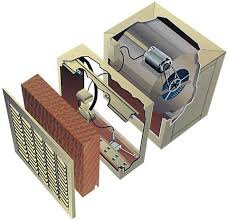
Evaporative air cooler pads are a critical component of evaporative cooling systems, providing the mechanism by which heat is absorbed from air to lower indoor temperatures efficiently and sustainably. Unlike traditional air conditioning units, evaporative coolers rely on water evaporation to cool air, making them energy-efficient, environmentally friendly, and ideal for dry climates. The cooler pad, often made from cellulose, aspen, or synthetic materials, serves as the medium through which warm air passes, facilitating heat transfer and moisture absorption. Proper understanding of the types, materials, benefits, installation, and maintenance of evaporative air cooler pads ensures maximum efficiency, longevity, and performance of the cooling system. This article explores the science behind evaporative cooler pads, their applications in residential and commercial environments, best practices for maintenance, and factors to consider for selecting the most effective cooling medium.
The Science Behind Evaporative Air Cooler Pads
Evaporative air cooler pads function based on the principle of adiabatic cooling, where water absorbs heat from air and evaporates, resulting in a reduction in air temperature. The pads are designed to maximize surface area and water retention, allowing for more effective heat exchange. When warm air is drawn through the wet pad, water molecules absorb thermal energy, converting it to vapor, and producing cooler air on the output side. This process is naturally energy-efficient because it does not rely on compressors or refrigerants, unlike conventional air conditioning. The material and thickness of the pad directly impact cooling efficiency, airflow resistance, and lifespan, making pad selection a critical aspect of evaporative cooling performance.
Types of Evaporative Air Cooler Pads
There are several types of pads used in evaporative air coolers, each with specific advantages and applications. Cellulose pads, also known as honeycomb pads, are highly durable, resistant to mold, and provide excellent water absorption and heat transfer properties. Aspen pads, made from wood fibers, are lightweight and economical, offering good cooling efficiency but requiring more frequent replacement. Synthetic or polymer pads combine durability with resistance to mineral buildup and mold, often used in high-humidity environments. The choice of pad depends on factors such as climate, system size, water quality, and maintenance preferences, with each type offering a balance between cooling efficiency, lifespan, and operational cost.
Installation and Placement of Cooler Pads
Correct installation and placement of evaporative air cooler pads significantly influence system performance. Pads should be securely mounted in the air intake section of the cooler, ensuring uniform airflow and proper water distribution across the entire surface. Water pumps and distribution channels must operate efficiently to keep the pads consistently wet without oversaturation, which could cause dripping, mold growth, or water wastage. For optimal performance, pads should be positioned at a height that allows maximum airflow while minimizing obstructions and pressure drop. Proper installation ensures that air passing through the pads is uniformly cooled, improving indoor comfort and energy efficiency.
Maintenance and Cleaning of Evaporative Air Cooler Pads
Regular maintenance is essential for preserving the performance and lifespan of evaporative cooler pads. Pads accumulate dust, debris, and mineral deposits over time, which can reduce airflow, cooling efficiency, and system hygiene. Routine cleaning involves rinsing pads with water, using mild detergents if necessary, and inspecting for signs of wear or damage. In areas with hard water, mineral buildup may require periodic descaling to prevent clogging. Replacement schedules vary depending on pad material and usage frequency, typically ranging from one to three years. Proper maintenance not only enhances cooling performance but also prevents unpleasant odors, microbial growth, and potential damage to the cooler system.
Benefits of Using Evaporative Air Cooler Pads
Evaporative air cooler pads provide numerous advantages, particularly in dry climates where they offer a sustainable alternative to conventional air conditioning. They provide energy-efficient cooling, using a fraction of the electricity required by compressors, resulting in lower utility costs. Pads facilitate improved indoor air quality by passing air through a water-saturated medium that can trap dust and particulate matter. They also contribute to environmental sustainability by eliminating the need for refrigerants, which are potent greenhouse gases. Additionally, the evaporative cooling process naturally adds humidity to dry air, enhancing comfort levels in arid environments. These benefits make evaporative air cooler pads an attractive option for homes, offices, warehouses, and industrial facilities seeking efficient, eco-friendly cooling solutions.
Common Issues and Troubleshooting
Despite their efficiency, evaporative cooler pads may encounter issues that compromise performance. Dry patches on the pads indicate uneven water distribution, reducing cooling efficiency. Clogging or mineral deposits can restrict airflow, increase energy consumption, and produce unpleasant odors. Wear and tear, such as cracking or deterioration of pad material, reduces water retention and heat transfer capacity. Regular inspection, proper water management, and timely replacement address these issues effectively. Understanding the signs of malfunction and taking corrective action ensures consistent performance, reliability, and longevity of the cooling system.
Applications in Residential and Commercial Settings
Evaporative air cooler pads are widely used in both residential and commercial settings. In homes, they provide a cost-effective solution for cooling living spaces, particularly in regions with dry, hot climates. In commercial applications, such as offices, warehouses, and industrial facilities, larger pads facilitate significant air volume cooling while maintaining energy efficiency. The scalability of pad systems allows customization based on the size of the space and cooling requirements. Additionally, evaporative coolers equipped with high-quality pads can operate continuously for long periods without significant energy costs, making them ideal for both domestic comfort and commercial operational efficiency.
Energy Efficiency and Environmental Impact
One of the key advantages of evaporative air cooler pads is their contribution to energy efficiency and environmental conservation. Unlike traditional air conditioners, they do not rely on energy-intensive compressors or refrigerants. This results in lower electricity consumption and reduced greenhouse gas emissions. By utilizing water as a natural cooling medium, pads promote sustainable cooling without the environmental risks associated with chemical refrigerants. Efficient pad design, regular maintenance, and proper system operation further enhance energy savings and reduce operational costs. For environmentally conscious consumers and businesses, evaporative cooler pads offer a practical solution for maintaining comfort while minimizing ecological impact.
Conclusion
Evaporative air cooler pads are essential components in modern cooling systems, providing an efficient, sustainable, and cost-effective method of lowering indoor temperatures. Their design, material selection, installation, and maintenance directly influence system performance, air quality, and energy efficiency. By understanding the science behind heat transfer, choosing the appropriate pad type, performing regular maintenance, and troubleshooting issues promptly, users can maximize the benefits of evaporative cooling. These pads not only offer functional advantages in residential and commercial applications but also contribute to environmental sustainability and comfort, making them a critical element of efficient cooling solutions worldwide.
Frequently Asked Questions (FAQ)
What is an evaporative air cooler pad?
It is a specialized pad used in evaporative cooling systems that absorbs water and facilitates the cooling of air through evaporation.
Which types of pads are most commonly used?
Cellulose (honeycomb), aspen (wood fiber), and synthetic pads are the most common types, each offering different levels of durability and cooling efficiency.
How often should cooler pads be replaced?
Replacement typically ranges from one to three years depending on pad material, water quality, and usage frequency.
Can evaporative cooler pads work in humid climates?
They are most effective in dry climates; high humidity reduces the evaporation rate and cooling efficiency.
How do I maintain my evaporative cooler pads?
Regular cleaning, descaling in hard water areas, checking for wear, and ensuring uniform water distribution maintain optimal performance.
What are the main benefits of using evaporative cooler pads?
They provide energy-efficient cooling, improve indoor air quality, add humidity in dry climates, and are environmentally friendly compared to traditional air conditioning systems