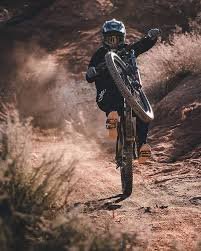
Cool MTB refers to modern mountain bikes designed for off-road cycling, adventure riding, trail exploration, and outdoor fitness activities that combine performance, durability, and style. Mountain biking has become one of the most popular adventure sports in the world because it allows riders to experience nature in a more active and exciting way while also improving physical fitness, balance, and endurance. A cool MTB is not just a bicycle; it is a specially engineered machine built to handle rough terrains such as rocky paths, muddy trails, steep hills, forest tracks, and uneven surfaces where normal bicycles cannot perform effectively. These bikes are designed with strong frames, advanced suspension systems, high-grip tires, and powerful braking systems to ensure safety and control even in challenging conditions. Over time, mountain biking has evolved from a simple recreational activity into a global sport and lifestyle, with riders constantly looking for better performance, lighter materials, and improved riding comfort. Understanding what makes a cool MTB special helps riders choose the right bike for their needs and enjoy a smoother, safer, and more exciting riding experience.
What Is a Cool MTB
A cool MTB, or mountain bike, is a bicycle specifically designed for off-road cycling on rough and uneven terrain. Unlike road bikes, which are built for speed on smooth surfaces, mountain bikes are engineered for durability, stability, and control. The structure of an MTB includes a strong frame made from materials such as aluminum, steel, carbon fiber, or alloys that can withstand shocks and impacts from rough trails. These bikes usually feature wide tires with deep treads that provide better grip on slippery or rocky surfaces. Another key feature is the suspension system, which helps absorb shocks from bumps and drops, making the ride more comfortable and reducing strain on the rider’s body. Mountain bikes are used for various purposes including adventure riding, sports competitions, fitness training, and casual outdoor exploration. The term “cool MTB” also reflects modern designs that combine performance with stylish appearance, making these bikes attractive to both beginners and professional riders.
Types of Mountain Bikes
There are several types of mountain bikes, each designed for specific riding conditions and styles. One of the most common types is the cross-country MTB, which is built for speed and long-distance riding on moderately rough trails. These bikes are lightweight and efficient, making them ideal for riders who focus on endurance and fitness. Another type is the trail MTB, which is more versatile and suitable for a wide range of terrains, including uphill climbs and downhill descents. Trail bikes are popular because they offer a balance between comfort and performance.
Enduro MTBs are designed for more aggressive riding, especially downhill sections and technical trails. These bikes have stronger suspension systems and more durable frames to handle rough impacts. Downhill MTBs are built specifically for steep descents and extreme terrain, featuring heavy-duty suspension and strong brakes for maximum control at high speeds. There are also fat tire MTBs, which come with extra-wide tires designed for riding on sand, snow, or soft ground. Each type of MTB serves a different purpose, and choosing the right one depends on the rider’s skill level and intended use.
Frame Design and Materials
The frame is one of the most important parts of a mountain bike because it determines strength, weight, and durability. Modern MTB frames are made using different materials, each offering unique advantages. Aluminum is one of the most commonly used materials because it is lightweight, strong, and affordable. Steel frames are heavier but offer excellent durability and shock absorption, making them suitable for rough riding conditions. Carbon fiber frames are high-end options that are extremely lightweight and strong, but they are also more expensive.
Frame geometry also plays an important role in performance. A well-designed MTB frame improves balance, control, and riding comfort. The angle of the frame, length of the top tube, and position of the seat all affect how the bike handles different terrains. A good frame design allows riders to maintain stability while climbing hills and control speed during downhill rides. Manufacturers constantly improve frame designs to make MTBs more efficient and comfortable for riders of all levels.
Suspension Systems in MTBs
Suspension is a key feature that makes mountain bikes suitable for rough terrain. The suspension system helps absorb shocks from bumps, rocks, and uneven surfaces, reducing the impact on the rider. There are two main types of suspension systems in MTBs: hardtail and full suspension. Hardtail bikes have suspension only in the front fork, which makes them lighter and more efficient for climbing and smoother trails. Full suspension bikes have both front and rear suspension, providing maximum comfort and control on rough and technical terrain.
The quality of suspension greatly affects riding performance. High-quality suspension systems allow better control, smoother rides, and improved safety. Riders can adjust suspension settings based on terrain type, making the bike more versatile. Suspension also reduces fatigue during long rides by minimizing vibration and impact on the body.
Tires and Grip Performance
Tires play a crucial role in mountain biking because they directly affect grip, stability, and control. MTB tires are wider than regular bicycle tires and have deep tread patterns designed to provide better traction on uneven surfaces. These treads help the bike maintain grip on mud, gravel, rocks, and dirt trails. The air pressure inside the tires also affects performance; lower pressure provides better grip, while higher pressure increases speed on smoother trails.
Different tire types are used for different terrains. For example, aggressive tread patterns are used for downhill riding, while smoother patterns are used for cross-country biking. Tubeless tires are also becoming popular because they reduce the risk of punctures and allow better control on rough surfaces. Proper tire selection is essential for safety and performance in mountain biking.
Braking Systems and Safety
Braking systems are extremely important in mountain bikes because riders often travel on steep and unpredictable terrain. Most modern MTBs use disc brakes, which provide strong and reliable stopping power even in wet or muddy conditions. There are two types of disc brakes: mechanical and hydraulic. Hydraulic disc brakes are more powerful and provide smoother braking control, making them ideal for advanced riders.
Effective braking is essential for safety, especially during downhill rides where speed increases quickly. Good brakes allow riders to maintain control and avoid accidents. Regular maintenance of braking systems ensures that they function properly and respond quickly when needed.
Gear Systems and Speed Control
Mountain bikes are equipped with gear systems that allow riders to adjust pedaling resistance based on terrain. Gears make it easier to climb steep hills and ride faster on flat surfaces. Most MTBs have multiple gears controlled by shifters on the handlebars. Lower gears are used for climbing, while higher gears are used for speed on flat or downhill sections.
A well-functioning gear system improves riding efficiency and reduces fatigue. Riders can maintain a steady rhythm without overexerting themselves. Modern MTBs use advanced gear systems that allow smooth and quick shifting, improving overall riding experience.
Benefits of Riding a Cool MTB
Riding a mountain bike offers numerous physical and mental benefits. It is an excellent form of exercise that improves cardiovascular health, builds muscle strength, and enhances endurance. Mountain biking also improves balance, coordination, and reflexes due to the need to navigate uneven terrain.
In addition to physical health, MTB riding also provides mental benefits. Riding through natural environments such as forests, mountains, and trails reduces stress and improves mental well-being. It offers a sense of adventure and freedom that is not found in indoor workouts. Many people also use mountain biking as a way to explore nature and disconnect from daily stress.
Maintenance and Care for MTBs
Proper maintenance is essential to keep a mountain bike in good condition and ensure long-lasting performance. Regular cleaning helps remove dirt, mud, and debris that can affect bike components. Chain lubrication is important to ensure smooth gear shifting and reduce wear and tear. Tire pressure should be checked regularly to maintain proper grip and performance.
Brakes and suspension systems should also be inspected frequently to ensure safety and efficiency. Any loose bolts or damaged parts should be repaired immediately to prevent accidents. Proper storage in a dry place helps protect the bike from rust and environmental damage.
Choosing the Right MTB
Selecting the right mountain bike depends on several factors such as riding style, terrain type, budget, and experience level. Beginners may prefer hardtail bikes because they are simpler and more affordable, while advanced riders may choose full suspension bikes for better performance on rough trails. Frame size should also match the rider’s height for comfort and control.
It is important to test different bikes before purchasing to find the one that feels most comfortable and suitable for personal needs. Investing in a good-quality MTB ensures better performance, safety, and long-term satisfaction.
Conclusion
Cool MTB bikes represent a perfect combination of adventure, fitness, and modern engineering. They are designed to handle rough terrains while providing comfort, control, and performance for riders of all levels. From frame design and suspension systems to tires, gears, and brakes, every component plays an important role in creating a smooth and enjoyable riding experience. Mountain biking is not just a sport but a lifestyle that promotes health, adventure, and connection with nature.
By choosing the right MTB and maintaining it properly, riders can enjoy safe and exciting journeys across different terrains. Whether for fitness, competition, or exploration, a cool MTB offers endless possibilities for outdoor adventure and personal enjoyment.
FAQ
What is a cool MTB?
A cool MTB is a modern mountain bike designed for off-road riding with strong frames, suspension systems, and durable components.
Which MTB is best for beginners?
Hardtail mountain bikes are best for beginners because they are easier to control and more affordable.
Can MTB be used on roads?
Yes, but MTBs are designed for off-road terrain, so they may be slower on smooth roads compared to road bikes.
How often should I maintain my MTB?
Basic maintenance should be done regularly, while full servicing is recommended every few months depending on usage.
What is the main benefit of mountain biking?
It improves physical fitness, builds strength, and provides mental relaxation through outdoor activity.