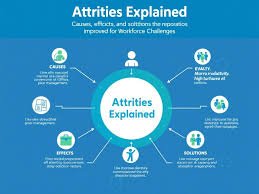
Attrities, often referred to in business contexts as employee attrition, represent the gradual reduction of a workforce through resignation, retirement, or voluntary departure without immediate replacement. In a corporate environment, attrition can significantly affect productivity, operational continuity, and overall organizational morale. Understanding attrities is essential for managers, HR professionals, and business leaders because it directly impacts a company’s ability to retain talent, maintain institutional knowledge, and sustain growth. While some level of attrition is natural and even beneficial for injecting fresh perspectives into a workforce, excessive attrition can indicate underlying issues in employee engagement, organizational culture, compensation policies, and leadership effectiveness. This article delves into the concept of attrities, explores its types, identifies causes, examines consequences, and presents strategies for mitigating its negative effects while leveraging potential benefits. By comprehensively understanding attrition, organizations can develop proactive policies that balance workforce stability with innovation, growth, and employee satisfaction.
Types of Attrition in Organizations
Attrition can manifest in various forms, each with distinct implications for the organization. Voluntary attrition occurs when employees choose to leave the company for personal growth, better opportunities, or dissatisfaction with current roles. Involuntary attrition includes layoffs, terminations, and organizational restructuring, which often reflect strategic business decisions rather than individual choice. Functional attrition refers to the departure of employees in roles where their absence has minimal operational impact, whereas critical attrition involves the loss of highly skilled or strategically important personnel whose departure can disrupt business continuity. Understanding these different types is vital for leaders to develop tailored retention strategies and prioritize interventions where attrition has the highest potential cost or impact on organizational performance.
Causes of Attrition
Several factors contribute to employee attrition, ranging from individual motivations to systemic organizational issues. Key causes include inadequate compensation and benefits, limited career growth opportunities, poor work-life balance, lack of recognition, and ineffective management practices. Organizational culture also plays a significant role; environments that fail to foster engagement, trust, and collaboration tend to experience higher attrition rates. Additionally, external market forces, such as competitive job markets and industry trends, can influence voluntary departures. In many cases, attrition results from a combination of factors rather than a single cause, underscoring the importance of comprehensive assessment and ongoing monitoring of employee satisfaction and organizational health.
Impacts of Attrition on Organizations
The consequences of attrition can be both tangible and intangible, affecting productivity, finances, and company culture. High attrition rates often lead to increased recruitment and training costs, as organizations must replace departing employees and bring new hires up to speed. Knowledge loss is another critical impact; employees carry institutional knowledge and experience that cannot be immediately replicated. Additionally, attrition can affect team morale and engagement, creating stress for remaining employees who must absorb additional responsibilities. On the other hand, selective attrition of underperforming employees may improve organizational efficiency, highlighting that attrition is not inherently negative but must be managed strategically to minimize disruption and maximize benefits.
Measuring Attrition
To effectively manage attrition, organizations must measure it accurately using standardized metrics. Common measures include the attrition rate, calculated by dividing the number of employees leaving by the average number of employees over a specific period, and turnover rate, which includes both voluntary and involuntary departures. Analyzing attrition by department, role, or tenure can provide deeper insights into trends and problem areas. Exit interviews, employee surveys, and performance metrics also provide qualitative data, helping organizations understand the underlying causes of attrition. These measurements are critical for developing evidence-based strategies to improve retention, identify organizational weaknesses, and forecast future workforce needs.
Strategies for Reducing Attrition
Reducing attrition requires a holistic approach that addresses both individual employee needs and systemic organizational factors. Competitive compensation and benefits packages help retain talent, while professional development programs and career growth opportunities ensure employees feel valued and invested in the company’s success. Effective leadership and transparent communication foster trust and engagement, while recognition programs reinforce positive behavior and performance. Work-life balance initiatives, such as flexible working hours and remote work options, can also reduce stress and increase employee satisfaction. By combining these strategies, organizations can cultivate a supportive and engaging workplace that encourages retention while maintaining high levels of productivity and morale.
Role of Leadership in Managing Attrition
Leadership plays a critical role in influencing attrition rates and creating a culture of retention. Managers and executives must demonstrate empathy, support, and transparency while actively engaging with employees to understand their concerns and motivations. Leadership styles that prioritize collaboration, empowerment, and feedback tend to foster higher engagement and loyalty. Conversely, authoritarian or disconnected leadership can accelerate attrition by creating dissatisfaction and disengagement. Leaders who actively invest in team development, mentor employees, and recognize contributions create an environment where talent is motivated to stay, grow, and contribute to long-term organizational success.
Employee Engagement and Retention Programs
Employee engagement initiatives are among the most effective tools for reducing attrition. Engagement programs can include mentorship opportunities, skill development workshops, team-building activities, recognition awards, and wellness programs. These initiatives strengthen the connection between employees and the organization, enhance job satisfaction, and improve loyalty. Regular feedback mechanisms, such as surveys and performance discussions, allow organizations to identify and address issues proactively before they result in attrition. A strong engagement strategy aligns organizational goals with employee aspirations, ensuring that employees feel valued, heard, and motivated to remain with the company.
Technology’s Role in Attrition Management
Technology plays an increasingly important role in monitoring and managing attrition. Human Resource Information Systems (HRIS) and analytics platforms can track employee performance, engagement metrics, and turnover trends in real time. Predictive analytics can identify employees at risk of leaving, enabling preemptive interventions such as targeted engagement or career development programs. Digital onboarding platforms, learning management systems, and communication tools also contribute to improved employee experience, reducing the likelihood of voluntary attrition. By leveraging technology effectively, organizations can make data-driven decisions that minimize attrition and optimize workforce stability.
Financial and Strategic Implications of Attrition
Attrition carries significant financial and strategic implications for organizations. The cost of recruiting, training, and onboarding new employees can be substantial, while knowledge and productivity losses from departing employees may affect overall performance. Strategically, high attrition can undermine organizational goals, disrupt project timelines, and reduce competitive advantage. Conversely, controlled attrition can provide opportunities to reshape teams, introduce fresh perspectives, and improve efficiency. Organizations must assess attrition not only as a human resource metric but as a strategic factor that influences long-term planning, organizational culture, and business sustainability.
Case Studies and Examples
Numerous companies across industries have experienced both the positive and negative effects of attrition. For example, organizations with high voluntary attrition rates often identify root causes such as inadequate leadership, lack of career growth, or poor culture and implement comprehensive retention strategies to reverse trends. Conversely, controlled attrition in some tech firms allows the replacement of underperforming employees with highly skilled talent, improving productivity and innovation. These case studies demonstrate that attrition, when understood and managed strategically, can either be a challenge to mitigate or an opportunity to enhance organizational outcomes.
Future Trends in Attrition Management
The landscape of attrition management is evolving, influenced by remote work, gig economies, technological advances, and generational workforce shifts. Organizations are increasingly adopting flexible work policies, employee wellness programs, and personalized career development plans to reduce attrition. AI and predictive analytics will continue to play a key role in identifying risk factors and informing targeted retention strategies. Additionally, the emphasis on organizational culture, purpose-driven work, and employee empowerment is expected to shape future approaches to attrition, making it not just a reactive metric but a proactive area of strategic focus.
Conclusion
Attrities, while a natural part of any organization, can significantly impact productivity, finances, and culture if left unmanaged. By understanding the causes, types, and implications of attrition, organizations can develop strategic interventions that retain valuable talent, maintain operational continuity, and foster a positive work environment. Effective leadership, employee engagement, data-driven insights, and technology integration are central to mitigating the negative effects of attrition. Organizations that approach attrition proactively, viewing it as both a challenge and an opportunity, can enhance workforce stability, innovation, and long-term success. Ultimately, attrition management is a critical component of organizational strategy that balances employee satisfaction with business growth.
FAQs
What are attrities in a business context?
Attrities refer to employee departures due to resignation, retirement, or other voluntary or involuntary exits from an organization.
What causes high attrition rates?
Common causes include inadequate pay, lack of career growth, poor management, low engagement, and unhealthy organizational culture.
How can organizations measure attrition?
Attrition can be measured using metrics like attrition rate, turnover rate, department-specific analysis, and employee surveys or exit interviews.
What are the consequences of attrition?
Attrition can lead to increased recruitment costs, knowledge loss, reduced morale, and potential disruption in productivity.
How can organizations reduce attrition?
Strategies include competitive compensation, career development, leadership improvement, employee engagement programs, and work-life balance initiatives.
What role does leadership play in attrition?
Leadership influences employee satisfaction, engagement, and retention by fostering trust, recognition, collaboration, and career growth opportunities.
How can technology help manage attrition?
HR analytics, predictive modeling, learning management systems, and employee engagement platforms enable data-driven interventions and proactive retention strategies.
Is attrition always negative?
Not always; controlled or functional attrition can help organizations restructure teams, improve efficiency, and bring in fresh talent to enhance innovation.