Nahttypen, or stitch types, represent one of the fundamental aspects of sewing, tailoring, and textile craftsmanship. From industrial manufacturing to home sewing, understanding the variety of stitch types is essential for creating durable, aesthetically pleasing, and functional garments and fabrics. Each stitch type serves a specific purpose, whether it is for joining fabric pieces, reinforcing seams, adding decorative effects, or finishing edges. Knowledge of Nahttypen allows designers, seamstresses, and textile enthusiasts to select the appropriate stitch for different fabrics, projects, and design requirements. In addition, stitch types influence the strength, flexibility, and overall quality of the final product, making them a critical component of both traditional and modern textile production. This article explores the concept, techniques, classifications, applications, advantages, challenges, and future of Nahttypen in sewing and fabric design, offering a comprehensive understanding for beginners and experts alike.
The Concept and Importance of Nahttypen
Nahttypen refers to the categorization of stitches based on their function, structure, and method of execution. The concept encompasses both hand stitching and machine stitching, with variations in length, tension, and thread type impacting the durability and appearance of the seam. The importance of Nahttypen cannot be overstated, as selecting the wrong stitch for a particular fabric or design can compromise the integrity of the garment or textile item. For example, delicate fabrics require fine, flexible stitches to prevent tearing, while heavy-duty fabrics demand strong, reinforced stitches to withstand stress. Moreover, Nahttypen also play a role in decorative design, with certain stitches adding visual texture, patterns, and unique stylistic elements to the finished product. By understanding the theory and application of different stitch types, users can enhance both the functional and aesthetic qualities of their sewing projects.
Basic Stitch Types and Their Techniques
Nahttypen are generally categorized into basic stitches and advanced or decorative stitches. Basic stitches include running stitch, backstitch, basting stitch, whipstitch, and blanket stitch. Running stitch is one of the simplest and most widely used techniques, providing a flexible seam suitable for lightweight fabrics and temporary stitching. Backstitch offers superior strength, making it ideal for seams that require durability. Basting stitches are long, temporary stitches used to hold fabric pieces in place before final stitching. Whipstitch is commonly used to close seams and prevent fabric edges from fraying, while blanket stitch serves both functional and decorative purposes for finishing edges. Mastering these basic stitches is essential for any sewing practitioner, as they form the foundation for more advanced techniques and specialized applications.
Advanced and Decorative Stitch Types
In addition to basic stitches, Nahttypen encompasses advanced and decorative stitch types that enhance both functionality and visual appeal. Decorative stitches include satin stitch, zigzag stitch, chain stitch, cross-stitch, and herringbone stitch. Satin stitch is used to create dense, smooth patterns that add a polished look to garments and fabric items. Zigzag stitches are versatile and provide elasticity, making them suitable for knit fabrics or areas requiring stretch. Chain stitches offer unique textural effects and are often employed in embroidery and ornamental designs. Cross-stitch and herringbone stitch add intricate patterns and are widely used in decorative sewing, embroidery, and couture fashion. Advanced stitches require precision, attention to detail, and sometimes specialized equipment or machine settings to achieve consistent and professional results.
Industrial Applications of Nahttypen
In industrial sewing and textile manufacturing, Nahttypen play a critical role in ensuring production efficiency, product durability, and quality control. Different stitch types are selected based on fabric composition, product design, and intended use. For example, reinforced stitches like overlock, flatlock, and double-stitch seams are commonly used in garments designed for heavy wear, such as jeans, uniforms, and sportswear. Overlock stitching prevents fabric fraying while simultaneously joining fabric pieces, making it ideal for mass production. Flatlock seams are used in activewear and athletic garments to create flat, comfortable seams that reduce chafing. Industrial machines allow high-speed execution of these stitches, ensuring consistency and strength across multiple units, highlighting the practical significance of Nahttypen in modern manufacturing.
Hand Sewing vs Machine Sewing
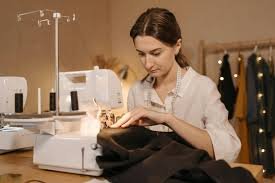
Nahttypen can be executed either by hand or using a sewing machine, each method offering unique advantages and limitations. Hand sewing allows for precise control, flexibility, and the ability to work in intricate or hard-to-reach areas. It is ideal for delicate fabrics, couture garments, repairs, and detailed decorative stitching. Machine sewing, on the other hand, provides speed, uniformity, and strength, making it suitable for large-scale production, durable garments, and repetitive tasks. Modern sewing machines offer programmable stitch patterns and advanced settings, allowing for complex decorative and functional stitches with high efficiency. Understanding the differences between hand and machine sewing, and knowing which stitch type to use in each scenario, is crucial for achieving optimal results.
Choosing the Right Stitch for Fabric Types
Selecting the correct Nahttypen depends heavily on the type of fabric being used. Lightweight fabrics, such as silk or chiffon, require fine, delicate stitches to prevent puckering and tearing, whereas heavy fabrics, like denim or canvas, require strong, reinforced stitches to maintain seam integrity. Stretch fabrics, including jersey and spandex, benefit from elastic stitches like zigzag or stretch stitches that accommodate fabric movement without breaking. Additionally, layered fabrics or fabrics prone to fraying may require overlock or whipstitches to ensure durability and a clean finish. Proper stitch selection improves both the performance and aesthetics of the finished product, demonstrating the importance of understanding fabric characteristics alongside stitch techniques.
Advantages of Understanding Nahttypen
Knowledge of Nahttypen offers numerous advantages to both amateur and professional sewers. Proper stitch selection ensures seam strength, fabric longevity, and professional appearance. Understanding stitch techniques allows for creative expression through decorative stitching and embroidery. Efficient use of stitch types can save time, reduce material waste, and prevent common sewing errors such as puckering, fraying, or seam failure. In industrial and commercial contexts, mastery of Nahttypen contributes to production efficiency, quality control, and customer satisfaction. Ultimately, a thorough understanding of stitch types enhances technical skill, creative possibilities, and the overall quality of textile work.
Challenges and Considerations
Despite its benefits, mastering Nahttypen presents certain challenges. Inexperienced sewers may struggle with stitch consistency, tension control, and pattern accuracy. Selecting the wrong stitch type for a specific fabric or design can lead to seam failure, fabric damage, or an unprofessional finish. Machine settings, thread types, needle selection, and fabric characteristics all interact to influence the effectiveness of a stitch, requiring attention to detail and practice. Additionally, decorative stitches often require precision, patience, and specialized tools or machines, making mastery time-intensive. Overcoming these challenges involves training, experimentation, and a deep understanding of both fabric properties and stitch mechanics.
Future Prospects of Nahttypen in Textile Design
The future of Nahttypen is influenced by advancements in textile technology, automation, and smart fabrics. Modern sewing machines with programmable stitch patterns, computerized embroidery, and robotic sewing systems allow for highly complex and precise stitch execution. Smart textiles may require innovative stitch types that incorporate conductivity, sensors, or functional threads for wearable technology applications. Additionally, fashion and textile industries continue to explore decorative stitching techniques for couture and high-end products, blending traditional hand-sewing craftsmanship with machine precision. As technology advances, Nahttypen will continue to evolve, offering new possibilities for durability, creativity, and innovative textile solutions.
Conclusion
Nahttypen, or stitch types, are a cornerstone of sewing, tailoring, and textile design, encompassing both functional and decorative applications. Mastery of stitch types allows sewers and designers to create durable, visually appealing, and high-quality fabric products. From basic stitches for everyday sewing to advanced decorative and industrial stitches, Nahttypen influence the strength, flexibility, and aesthetics of textiles. Understanding the relationship between fabric properties, stitch techniques, and sewing methods enhances both technical skill and creative expression. As textile technology continues to evolve, Nahttypen will remain a vital element of garment production, craft, and innovation, demonstrating the enduring importance of stitching in the world of textiles.
Frequently Asked Questions (FAQ)
What are Nahttypen?
Nahttypen are different types of stitches used in sewing, tailoring, and textile production, categorized by their function, structure, and technique.
Why are stitch types important?
Choosing the correct stitch type ensures seam strength, durability, and aesthetics, preventing fabric damage and improving garment quality.
What is the difference between hand and machine stitching?
Hand stitching provides precision and flexibility for delicate or detailed work, while machine stitching offers speed, consistency, and durability for large-scale or heavy fabrics.
Which stitches are best for stretch fabrics?
Elastic stitches such as zigzag or stretch stitches are ideal for fabrics like jersey, spandex, or knit materials, as they allow the seam to stretch without breaking.
Can decorative stitches be functional as well?
Yes, decorative stitches can also reinforce seams, prevent fraying, or add texture, combining functionality with aesthetic appeal.