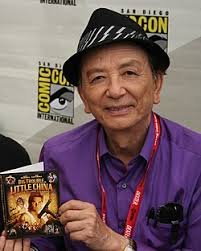
James Hong is a celebrated American actor whose career spans over seven decades, making him one of the most prolific and recognizable faces in Hollywood. Born on February 22, 1929, in Minneapolis, Minnesota, Hong has appeared in more than 600 film and television projects, ranging from blockbusters and cult classics to independent films and animated features. Known for his versatility, comedic timing, and dramatic presence, Hong has become an icon of Asian representation in the entertainment industry, breaking barriers for actors of Asian descent in Hollywood. His career includes memorable roles in Big Trouble in Little China, Blade Runner, Wayne’s World 2, Balls of Fury, and numerous voice acting roles in animated series such as Mulan and Kung Fu Panda. Hong’s work is not only a testament to his personal talent and resilience but also reflects broader cultural shifts in Hollywood, highlighting the challenges, triumphs, and ongoing importance of representation in media. Understanding James Hong’s career provides insight into the evolution of Hollywood, the experiences of Asian-American actors, and the power of persistence, talent, and dedication in achieving enduring success.
Early Life and Family Background
James Hong was born to Chinese immigrant parents in Minneapolis, Minnesota, and raised in Los Angeles, California. Growing up in a bicultural environment, he was exposed to both American and Chinese traditions, which influenced his worldview and later informed the depth and authenticity of his performances. Hong showed an early interest in acting and storytelling, participating in school plays and local theater productions, cultivating a passion for performance that would become his lifelong career. The experiences of growing up as a Chinese-American during a time of limited representation in Hollywood shaped Hong’s determination to succeed despite systemic barriers. His early life instilled values of resilience, adaptability, and dedication—qualities that would define his trajectory as one of Hollywood’s most enduring and versatile actors.
Education and Early Career in Entertainment
James Hong pursued higher education at the University of Southern California, studying architecture before discovering his true calling in acting. Early in his career, he worked in local theater, television commercials, and bit parts in films, steadily building experience and honing his craft. Despite initial challenges and limited opportunities for Asian-American actors, Hong demonstrated remarkable persistence, gradually earning recognition for his ability to deliver nuanced performances across genres. His early experiences in the industry shaped his understanding of Hollywood’s dynamics, allowing him to navigate stereotypes while finding meaningful and varied roles. This period laid the foundation for a prolific career that would eventually make him a household name among audiences worldwide.
Breakthrough Roles and Hollywood Success
Hong’s breakthrough came through a series of notable film and television roles in the 1960s and 1970s, where he showcased his versatility as both a comedic and dramatic actor. His ability to inhabit a wide range of characters—from villains and mentors to eccentric figures—allowed him to carve a niche in Hollywood despite the industry’s historical underrepresentation of Asian actors. Films such as Chinatown, Blade Runner, and Big Trouble in Little China highlighted his skill in creating memorable, dynamic characters, cementing his reputation as a reliable and compelling performer. Hong’s early success demonstrated that talent and perseverance could transcend stereotypical casting, opening doors for future generations of Asian-American actors.
Memorable Film Roles and Contributions to Cinema
James Hong’s filmography is vast and diverse, including roles in both mainstream Hollywood blockbusters and independent films. In Big Trouble in Little China (1986), he played David Lo Pan, delivering a performance that combined menace, charm, and dark humor, becoming one of his most iconic roles. In Ridley Scott’s Blade Runner (1982), Hong portrayed Hannibal Chew, contributing to the film’s futuristic noir aesthetic. He has also appeared in comedies such as Wayne’s World 2 and action films like Balls of Fury, demonstrating his ability to adapt to any genre. Hong’s consistent excellence across hundreds of projects has made him a dependable and beloved presence in cinema, respected by directors, peers, and audiences alike for his professionalism and creativity.
Television Appearances and Iconic Roles
Beyond film, James Hong has made significant contributions to television, appearing in countless series over decades. He has guest-starred on shows such as Seinfeld, The Big Bang Theory, Hawaii Five-0, and Fresh Off the Boat, often leaving a lasting impression in a single episode. Hong’s television work demonstrates his adaptability, comic timing, and dramatic skill, highlighting his ability to create memorable characters with limited screen time. He has also lent his voice to animated series, providing characters with distinct personalities in productions like Mulan and American Dad!, further showcasing his versatility and range as an actor.
Voice Acting and Animation Work
James Hong’s distinctive voice has made him a sought-after talent in the animation industry. His work includes roles in Disney’s Mulan as Chi-Fu, Kung Fu Panda: Legends of Awesomeness, and numerous other animated shows and video games. Voice acting allowed Hong to expand his creative repertoire, demonstrating his skill in bringing animated characters to life through vocal expression, timing, and emotional nuance. His contributions to animation have reached younger generations worldwide, ensuring that his work continues to resonate with audiences beyond traditional film and television.
Challenges and Advocacy for Asian Representation
Throughout his career, James Hong has faced the challenges inherent to being an Asian-American actor in Hollywood, including typecasting, stereotyping, and limited opportunities. Despite these obstacles, he consistently sought roles that allowed him to display his talent and push the boundaries of representation. Hong has spoken publicly about the importance of diversity in media, mentorship for aspiring actors, and advocating for nuanced portrayals of Asian characters. His perseverance and activism have contributed to broader cultural awareness and helped pave the way for more inclusive casting and storytelling in contemporary Hollywood.
Awards, Recognition, and Industry Impact
James Hong has received numerous accolades recognizing his remarkable career and cultural contributions. While he may not have accumulated mainstream awards, his reputation as one of the most prolific actors in Hollywood has earned him lifetime achievement recognition and admiration from peers, directors, and fans worldwide. In addition, in 2022, Hong received a Guinness World Record for the most screen credits for a living actor, highlighting his unprecedented productivity and dedication to his craft. His impact on the entertainment industry extends beyond awards, as he has influenced the representation of Asian actors and inspired countless performers to pursue careers in film and television.
Legacy and Cultural Influence
James Hong’s legacy is defined by his versatility, resilience, and contributions to Asian-American representation in media. He has appeared in every major genre of film and television, leaving an indelible mark on Hollywood history. Beyond performance, his advocacy and mentorship have influenced the careers of younger actors, helping to create a more inclusive and representative entertainment landscape. Hong’s career demonstrates that talent, perseverance, and professionalism can overcome barriers, making him a role model and cultural icon whose influence will resonate for generations.
Current Work and Continuing Career
Even in his nineties, James Hong continues to work actively in the entertainment industry, demonstrating remarkable longevity and dedication. He appears in television, film, voice acting projects, and public appearances, showing that passion for performance and storytelling does not diminish with age. Hong’s ongoing career inspires both peers and younger performers, illustrating the power of consistency, adaptability, and commitment to craft. His enduring presence continues to enrich Hollywood and serves as a living testament to a lifetime dedicated to entertainment.
Conclusion: Celebrating James Hong’s Contributions to Film, Television, and Culture
In conclusion, James Hong is more than just a prolific actor; he is a cultural icon whose work has shaped Hollywood, advanced Asian-American representation, and inspired generations of performers and audiences. His versatility across stage, film, television, and animation, combined with decades of consistent excellence, has created a legacy that transcends individual roles. Beyond talent, his perseverance, professionalism, and advocacy for representation mark him as a pioneer and role model in the entertainment industry. James Hong’s career demonstrates the power of dedication, adaptability, and passion, proving that an actor’s influence is measured not only by the number of roles but also by the depth, authenticity, and cultural impact of their work.
FAQ
Who is James Hong?
James Hong is an American actor known for his work in film, television, and voice acting, with a career spanning over seven decades.
When was James Hong born?
He was born on February 22, 1929, in Minneapolis, Minnesota, USA.
What are some of James Hong’s most famous roles?
He is known for Big Trouble in Little China, Blade Runner, Wayne’s World 2, Balls of Fury, and voice roles in Mulan and Kung Fu Panda.
How many projects has James Hong worked on?
He has appeared in over 600 film and television projects, earning recognition as one of the most prolific actors in Hollywood.
Has James Hong received awards or honors?
Yes, he has received lifetime achievement recognitions and a Guinness World Record for the most screen credits for a living actor.
What challenges has James Hong faced in Hollywood?
He has navigated typecasting, limited opportunities for Asian-American actors, and stereotyping while advocating for diverse representation.
Is James Hong still active in acting?
Yes, even in his nineties, Hong continues to work in film, television, and voice acting, demonstrating remarkable longevity and dedication.