The term “Nativität,” derived from Latin roots meaning “birth” or “nativity,” carries profound significance in religious, cultural, and artistic contexts. Most commonly associated with the nativity of Jesus Christ, it represents not only a historical and religious event but also a rich tapestry of traditions, artistic interpretations, and societal reflections. Nativität encompasses themes of hope, renewal, and communal celebration, transcending mere religious observance to influence literature, art, music, and global cultural practices. From the traditional nativity scenes in homes and churches to grand artistic representations in paintings and sculptures, Nativität embodies humanity’s fascination with origins, family, and the spiritual significance of birth. This article delves deeply into the concept of Nativität, exploring its historical roots, religious importance, cultural impact, and contemporary interpretations, while examining how this timeless theme continues to resonate across generations.
Historical Origins of Nativität
The concept of Nativität has deep historical roots that intertwine with religious narratives, early Christian traditions, and evolving cultural practices. Central to Christianity, the nativity story recounts the birth of Jesus in Bethlehem, an event chronicled in the Gospels of Matthew and Luke. Early Christian communities celebrated this event with modest observances, which gradually evolved into elaborate rituals and festivities. Over centuries, the nativity has been immortalized through art, literature, and music, with medieval European societies developing elaborate nativity plays and figurative displays to educate, inspire, and foster devotion. The historical development of Nativität reflects both religious reverence and the human desire to commemorate the beginnings of life, faith, and moral reflection in communal settings.
Religious Significance
At its core, Nativität symbolizes the birth of a savior in Christian theology, representing hope, salvation, and divine intervention in the human story. Celebrated annually during Christmas, the nativity is a reminder of spiritual renewal, humility, and the universality of divine love. Beyond Christianity, the theme of nativity resonates metaphorically in various religious traditions, emphasizing the significance of birth, beginnings, and transformation. In liturgical contexts, nativity services, prayers, and rituals convey not only religious devotion but also the moral and ethical teachings that underpin Christian faith, reinforcing the sacredness of life and the importance of compassion and community.
Artistic Representations
Art has long been a vital medium through which Nativität has been expressed and celebrated. From early frescoes in Roman catacombs to Renaissance masterpieces by artists such as Botticelli and Leonardo da Vinci, the nativity scene has been depicted with increasing sophistication, symbolism, and emotional depth. Artists often use elements such as light, posture, and facial expression to convey divine presence, human emotion, and the interplay between earthly and spiritual realms. Sculptures, paintings, and illuminated manuscripts have served both devotional and educational purposes, allowing audiences to visualize sacred narratives, internalize moral teachings, and experience the awe and wonder associated with the birth of Christ. Contemporary artists continue to reinterpret Nativität, using modern media, installations, and multimedia presentations to explore its relevance in a globalized, multicultural context.
Cultural and Social Traditions
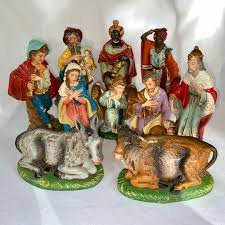
Nativität extends far beyond religious observance into rich cultural and social traditions worldwide. Nativity scenes, often called “crèches,” are central to holiday decorations in many cultures, varying in style from miniature tabletop sets to life-sized outdoor displays. Communities organize nativity plays, reenactments, and processions, fostering intergenerational participation and reinforcing communal bonds. Culinary traditions, gift-giving, and charitable acts associated with the nativity celebration further highlight its role as a catalyst for social cohesion and shared values. By embedding religious narratives within cultural practices, Nativität serves as a bridge between spirituality, art, and everyday life, reinforcing identity and collective memory.
Symbolism and Themes
The symbolism of Nativität is multifaceted, encompassing themes of birth, hope, humility, and divine intervention. The figures in nativity scenes—Mary, Joseph, the infant Jesus, shepherds, and wise men—represent both historical characters and archetypes embodying human virtues and spiritual lessons. The setting, often depicted as a humble stable, underscores themes of simplicity, vulnerability, and accessibility of the divine to all people. Animals, angels, and celestial motifs enrich the narrative, creating layers of meaning that invite reflection on human existence, morality, and the interconnectedness of life. These symbols have inspired countless interpretations in theology, philosophy, and the arts, demonstrating the enduring power of Nativität to evoke contemplation and wonder.
Global Celebrations and Adaptations
Around the world, Nativität is celebrated with diverse cultural expressions, reflecting local customs, climates, and artistic traditions. In Latin America, colorful nativity scenes are complemented by elaborate parades and musical performances, while in Europe, traditional crèches and Christmas markets showcase handcrafted figurines and artisanal goods. African communities may incorporate local storytelling, drumming, and dance into nativity festivities, emphasizing communal participation and oral traditions. These adaptations highlight how the central narrative of Nativität transcends geographic and cultural boundaries, fostering a shared human appreciation for birth, life, and spiritual reflection.
Modern Interpretations and Influence
In contemporary society, Nativität continues to inspire new forms of artistic, literary, and digital expression. Modern filmmakers, writers, and visual artists reinterpret nativity themes to address social issues, explore personal spirituality, and connect historical narratives with current experiences. Digital media has expanded the reach of Nativität, enabling virtual nativity scenes, online performances, and interactive educational resources that engage global audiences. Moreover, contemporary interpretations often emphasize universal themes of hope, compassion, and community, demonstrating the ongoing relevance of Nativität beyond strictly religious contexts.
Educational and Ethical Implications
Nativität provides fertile ground for education and ethical reflection. Schools, religious institutions, and community organizations use nativity narratives to teach historical literacy, artistic appreciation, and moral reasoning. The themes of generosity, empathy, and communal responsibility embedded in Nativität celebrations encourage ethical behavior and social engagement. Additionally, exploring diverse cultural adaptations fosters intercultural understanding, allowing learners to appreciate the richness of human traditions and the universal significance of birth and renewal.
Conclusion
Nativität is far more than a historical or religious event; it is a dynamic, multifaceted concept that bridges faith, art, culture, and social practice. Through its rich symbolism, global celebrations, and enduring influence on creative expression, Nativität continues to inspire reflection on the human condition, spiritual devotion, and the values of hope, humility, and compassion. By appreciating the historical roots, artistic interpretations, and contemporary relevance of Nativität, we can better understand its significance as a timeless narrative that resonates across cultures and generations.
Frequently Asked Questions (FAQ)
What does Nativität mean?
Nativität refers to the concept of birth or nativity, most commonly associated with the birth of Jesus Christ in Christian tradition.
Where is Nativität celebrated?
Nativität is celebrated worldwide, with customs and traditions varying by country and culture, including nativity scenes, plays, and festive rituals.
What is the significance of nativity scenes?
Nativity scenes, or crèches, visually depict the birth of Christ and the associated characters, symbolizing humility, hope, and divine presence.
How has Nativität influenced art and culture?
Nativität has inspired centuries of artistic expression, including paintings, sculptures, literature, and performances, reflecting its spiritual and cultural importance.
Can Nativität have secular relevance?
Yes, modern interpretations emphasize universal themes like hope, compassion, and community, making Nativität meaningful beyond religious contexts.