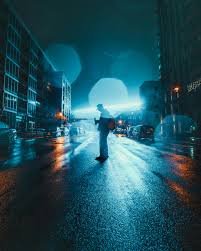
In modern photography, videography, and digital content creation, achieving striking visuals requires more than just proper framing and lighting—it requires mastery of effects that enhance mood, depth, and artistic expression. The Photeeq Lens Flare effect has emerged as a popular and versatile tool in this regard, offering creators a way to simulate natural and cinematic light artifacts with precision and creativity. Lens flares occur when bright light interacts with a camera lens, producing streaks, circles, or glowing effects that can dramatically enhance the visual appeal of a scene. The Photeeq Lens Flare effect not only replicates these natural phenomena but also provides control, customization, and adaptability across photography, digital illustration, video editing, and 3D rendering. This article explores Photeeq Lens Flare in depth, examining its technical foundations, creative applications, practical implementation, benefits, challenges, and future trends, demonstrating how it transforms ordinary visuals into compelling, professional-quality imagery.
Understanding Photeeq Lens Flare
Photeeq Lens Flare is a digital effect designed to mimic the way light behaves when it interacts with camera optics. Unlike random or uncontrolled light artifacts, this effect gives creators complete control over intensity, color, shape, angle, and diffusion, allowing for precise artistic application. The effect is versatile, functioning in both 2D and 3D environments, and is compatible with multiple software platforms used in photography, videography, and digital content creation. By simulating realistic lens artifacts or creating stylistic variations, Photeeq Lens Flare enhances visual storytelling, adds cinematic drama, and creates a sense of realism in digital projects. Its integration into editing workflows enables creators to accentuate focal points, highlight subjects, and establish mood, making it an essential tool for professionals seeking to elevate the quality of their work.
Origins and Evolution of Lens Flare Effects
Lens flare as a phenomenon originates from physical camera optics, where direct or reflected light scatters within a lens system. Historically, photographers and cinematographers noticed these effects in high-contrast scenes, often viewing them as either creative opportunities or unwanted artifacts. With digital technology, effects like Photeeq Lens Flare emerged to allow controlled, repeatable, and customizable lens flare simulation without relying on natural lighting conditions. This evolution reflects the broader digital trend of transforming real-world phenomena into programmable, artistic tools. The development of Photeeq Lens Flare combines optical physics principles with digital rendering algorithms, allowing artists to generate professional-grade visual enhancements while retaining artistic control.
Technical Features and Capabilities
Photeeq Lens Flare offers a range of technical features that make it a powerful tool for creative professionals:
-
Customizable Intensity and Brightness: Adjust the effect to match the scene’s lighting conditions or create stylized exaggeration.
-
Color Control: Fine-tune hues, gradients, and color blends for artistic or realistic flare effects.
-
Shape and Pattern Variability: Choose from multiple flare shapes, including circular, polygonal, streaked, or custom-designed patterns.
-
Directional and Angle Adjustment: Align the flare with the light source to maintain realism or artistic consistency.
-
Integration with Editing Software: Seamlessly compatible with photo and video editing programs, 3D rendering engines, and compositing tools.
These capabilities enable creators to achieve precise control, maintain visual harmony, and produce high-quality outputs across various media types.
Applications in Photography
In photography, Photeeq Lens Flare is used to enhance natural light, create a dreamy or cinematic mood, and emphasize subjects. By strategically applying lens flares, photographers can replicate sunlight streaming through windows, glowing streetlights at night, or reflections from reflective surfaces. The effect can add depth, soften harsh shadows, and draw viewers’ attention to focal points. In portrait photography, lens flares can create atmospheric highlights, enhancing the visual narrative and aesthetic appeal. Whether used subtly for realism or exaggerated for artistic expression, Photeeq Lens Flare transforms ordinary scenes into visually compelling compositions.
Applications in Videography and Film
In video production and filmmaking, lens flares serve both practical and artistic purposes. Photeeq Lens Flare allows cinematographers to simulate sunlight, studio lighting, or other strong light sources with precision, contributing to scene realism without requiring extensive physical setups. It can be used to enhance mood, signal dramatic moments, or convey intensity. In action sequences, science fiction films, or high-energy music videos, lens flares can create dynamic, cinematic energy. By providing control over flare intensity, angle, and diffusion, Photeeq Lens Flare ensures that filmmakers can achieve professional-quality effects consistently, enhancing both narrative impact and visual aesthetics.
Applications in 3D Rendering and Digital Art
For 3D artists and digital illustrators, Photeeq Lens Flare adds realism and artistic expression to rendered environments. In architectural visualization, lens flares can simulate sunlight entering through windows, glass facades, or reflective surfaces, making renders more lifelike. In game design or animated content, lens flares contribute to environmental storytelling, indicating bright light sources, magical effects, or sci-fi elements. By integrating with 3D rendering pipelines, Photeeq Lens Flare allows creators to maintain realism while experimenting with artistic flare designs, enhancing immersion and visual engagement.
Benefits of Using Photeeq Lens Flare
The advantages of using Photeeq Lens Flare extend across multiple creative domains:
-
Enhanced Visual Appeal: Creates dramatic, cinematic, or artistic effects that elevate the overall quality of images and videos.
-
Control and Precision: Unlike uncontrolled natural flares, Photeeq Lens Flare allows creators to determine exactly how the effect appears.
-
Versatility Across Mediums: Applicable to photography, video, 3D rendering, and digital illustration.
-
Mood and Storytelling Enhancement: Conveys atmosphere, emotion, or narrative cues through controlled light effects.
-
Efficiency and Repeatability: Eliminates the need for complex lighting setups while producing consistent results across multiple projects.
These benefits make the effect indispensable for professionals and enthusiasts seeking creative flexibility and technical precision.
Challenges and Considerations
Despite its versatility, using Photeeq Lens Flare effectively requires careful consideration. Overuse can result in distracting visuals that reduce clarity or appear unnatural. Balancing flare intensity with the overall scene lighting is essential to maintain realism. In compositing or editing workflows, careful layering, blending, and color correction are necessary to prevent clashes with other visual elements. Furthermore, understanding how lens flares behave in real optical systems aids in creating believable effects. By addressing these challenges through planning, experimentation, and technical knowledge, creators can maximize the aesthetic and narrative value of Photeeq Lens Flare.
Future Trends and Innovations
The future of Photeeq Lens Flare is tied to advancements in AI-assisted effects, real-time rendering, and immersive media. Potential innovations include automated flare generation based on scene analysis, adaptive flares that respond dynamically to camera movement or lighting changes, and enhanced integration with virtual and augmented reality environments. As digital content creation continues to evolve, Photeeq Lens Flare will likely become more sophisticated, offering creators tools that are not only realistic but also intelligent, adaptive, and deeply integrated into creative workflows.
Conclusion
Photeeq Lens Flare represents a powerful combination of technical precision and artistic expression. By simulating natural and cinematic lens artifacts with control and adaptability, it enhances photography, videography, and digital art, creating visually compelling, immersive, and professional-quality content. While careful use is necessary to prevent overexposure or distraction, the benefits of controlled, customizable lens flare effects are significant. As technology continues to advance, Photeeq Lens Flare is poised to remain an essential tool for creators seeking to elevate visual storytelling, enhance mood, and achieve cinematic and artistic excellence in their projects.
Frequently Asked Questions (FAQ)
What is Photeeq Lens Flare?
Photeeq Lens Flare is a digital effect that simulates the scattering of light in camera lenses, allowing controlled and customizable flare effects for photography, videography, and digital art.
Where can Photeeq Lens Flare be applied?
It can be used in photography, film, video production, 3D rendering, digital illustration, and visual effects to enhance mood, highlight focal points, or add cinematic drama.
What are the main benefits of using Photeeq Lens Flare?
Benefits include increased visual appeal, precise control, versatility across mediums, enhanced storytelling, and efficient implementation without complex lighting setups.
Are there challenges to using this effect?
Yes, overuse or improper placement can reduce clarity or appear unrealistic. Balancing intensity, color, and scene lighting is crucial.
What is the future potential of Photeeq Lens Flare?
Future innovations may include AI-assisted automatic flare generation, adaptive real-time flares, integration with VR/AR, and enhanced realism in digital and cinematic media.